Tree fertilizer spikes offer one of the simplest ways to feed trees and shrubs in your yard, but timing your application correctly makes all the difference between wasted effort and genuine results. Unlike liquid fertilizers that you apply frequently or granular fertilizers that require careful spreading, spikes deliver nutrients directly to the root zone over weeks or months—but only if you put them in the ground at the right time.
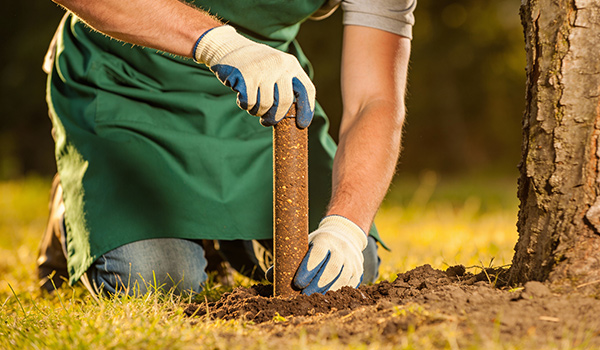
This thetreecareguide.com article walks you through exactly when to use tree fertilizer spikes, how seasonal patterns affect nutrient uptake, and how to avoid common mistakes that can actually harm your trees. Whether you have a few ornamental deciduous trees, a row of evergreens, or flowering shrubs you want to thrive, understanding the timing will help you get real value from every spike you install.
Quick Answer: Best Times to Use Tree Fertilizer Spikes
The best time to use tree fertilizer spikes is during the two seasonal windows when roots are actively growing: early spring, before leaf-out, and mid-fall, after leaves have dropped. These periods align with natural root expansion phases, allowing your trees to absorb nutrients efficiently.
The two primary application windows are:
- Early spring (March–April in most temperate U.S. regions): Apply as buds swell but before full leaf-out. This timing supports the flush of new growth and helps replenish nutrients depleted over winter.
- Mid to late fall (October–early November): Apply after leaf drop but before the ground freezes. This feeds roots during their natural expansion phase and builds nutrient reserves for the next growing season.
These windows work because root growth continues even when top growth appears dormant. Feeder roots remain active in cool soil temperatures, quietly absorbing nutrients that support the tree’s overall health.
Additional timing considerations:
- Use spikes when the soil is moist but not waterlogged—moisture activates the slow-release mechanism.
- Look for signs of nutrient stress: pale or yellowing foliage, stunted growth, sparse canopy, or reduced disease resistance.
- Wait until trees and shrubs are established (typically 2+ years in the ground) before using spikes.
- Newly planted trees in their first growing season have small root systems that can be damaged by concentrated fertilizer.
Understanding Tree Fertilizer Spikes
Tree fertilizer spikes are pre-measured, compressed sticks of slow-release fertilizer designed specifically for feeding trees and shrubs through direct soil insertion rather than surface spreading.
What spikes actually are:
- Fertilizer is compressed into solid, tubular, or stake-shaped forms for easy insertion
- Typically containing balanced N-P-K blends such as 10-10-10, 12-6-6, or 15-7-6 formulated for woody plants
- Designed to dissolve gradually through contact with soil moisture and microbial activity
- Sized to deliver nutrients over several weeks to a few months, depending on rain, irrigation, and soil conditions
How fertilizer spikes work:
When you insert a spike into moist soil, water penetrates the compressed material, and bacteria and fungi begin breaking it down. This releases nitrogen, phosphorus, potassium, and other nutrients in soluble forms that roots can absorb. The process mimics natural nutrient cycling but concentrates it near the active root zone along the tree’s drip line.
Types of tree spikes available:
| Type | Best For | Typical N-P-K |
|---|---|---|
| General-purpose | Most deciduous trees, shade trees | 10-10-10, 12-6-6 |
| Evergreen formula | Pines, spruces, cedars, hollies | 12-3-6, acidifying |
| Fruit tree formula | Apples, pears, stone fruits | 10-15-15, bloom support |
| Acid-loving plants | Azaleas, rhododendrons, camellias | Lower pH, iron-enriched |
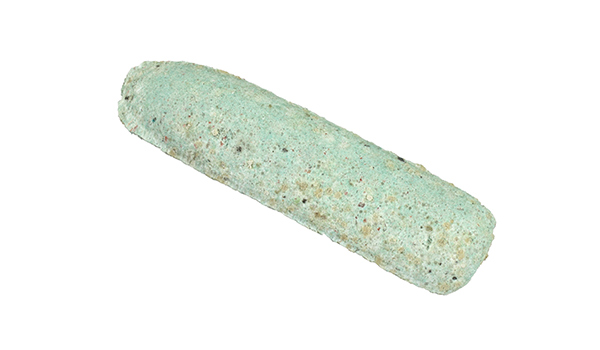
Spikes are one fertilization option alongside granular and liquid fertilizers. There are other ways to fertilize trees, but many homeowners choose spikes for convenience—there’s no measuring, mixing, or spreading involved, and they create minimal waste or mess compared to other methods.
Why Timing Matters for Fertilizer Spikes
Because fertilizer spikes are slow-release products, the timing of your application determines when nutrients actually reach your tree roots. Put in spikes at the wrong time, and you’ll either waste nutrients or potentially stress the tree.
Root growth patterns drive the schedule:
- Tree roots remain active in cool soil temperatures (roughly 40–55°F or 4–13°C), particularly in late summer through fall and again in early spring
- Above-ground dormancy during winter doesn’t mean roots have completely stopped—feeder roots continue light activity in many trees
- The strongest periods of root development occur when the soil is warming in spring and cooling in autumn, not during the heat of summer
Benefits of correct timing:
- Time application to maximize nutrient uptake, avoiding periods of heavy rain that can cause leaching or summer heat that stresses the tree
- Supports recovery from summer stress, drought, or pruning damage when applied in the fall
- Prepares trees for strong growth and healthy foliage the following spring
- Reduces waste by ensuring nutrients are available when roots can actually absorb them
Risks of mistimed application:
- High-nitrogen spikes applied in midsummer can stimulate soft, tender new growth that’s vulnerable to heat stress and pest attack
- Late-season nitrogen can push new growth just before frost, increasing winter injury risk
- Winter applications are largely futile since frozen soil stops both dissolution and root absorption
- Spring applications made too late may feed into summer heat stress rather than supporting healthy spring growth
How Slow-Release Spikes Interact With Seasons
Most commercial tree spikes are engineered to degrade gradually through a combination of moisture penetration and soil microbial activity. This design means the season directly influences how quickly nutrients become available.
Spring applications:
- Nutrients begin releasing as the soil warms, and moisture activates the spike
- Feed the tree through leaf-out and early canopy expansion when nutrient demand peaks
- Support strong growth of both shoots and feeder roots during the primary growing season
Fall applications:
- Release nutrients into late-season and early spring soil
- Reach roots during their quieter but still active phase after top growth has stopped
- Help build carbohydrate and nutrient reserves that support the following year’s bud break and foliage development
Climate zone considerations:
- In regions with hard winter freezes (USDA Zones 3–5), nutrient release slows significantly once soil freezes and resumes as temperatures rise in spring
- In mild climates (Zones 7–9), root growth can continue intermittently through winter, making fall applications especially valuable for year-round feeding
- In all zones, fall-applied spikes essentially “preload” the root zone with nutrients that become fully available as spring soil warms
Best Seasonal Windows to Use Tree Fertilizer Spikes
The ideal timing varies by geographic region but follows consistent seasonal patterns tied to soil temperature and tree biology rather than specific calendar dates.
General guidance for temperate North American climates:
- Early Spring: Roughly March–April for Zones 5–7; February–March for Zones 7–9
- Mid to Late Fall: Roughly October–early November, after most leaves have fallen but before soil temperatures drop below approximately 40°F (4°C)
Why Spring application works:
- Supports bud swell, leaf-out, and early shoot development
- Helps many trees replenish nutrient stores depleted during winter dormancy
- Provides nitrogen for the vegetative expansion phase
- Reaches roots while soil moisture is typically adequate from spring rain
Why the fall application works:
- Feeds roots during a natural period of strong root expansion, even though top growth has stopped
- Phosphorus and potassium strengthen root systems and improve cold hardiness
- Prepares nutrient reserves for the demanding spring growth phase
- Takes advantage of consistent autumn soil moisture
Summer application cautions:
Avoid mid-summer use in hot, drought-stressed conditions unless a soil test clearly indicates a deficiency and you can carefully control watering. Summer-applied nitrogen can push vulnerable new growth and attract pests to stressed trees.
In warm climates with long growing seasons, one spring and one late-fall or early-winter application are typically sufficient for healthy trees.
Regional Timing Examples
- Upper Midwest (Minnesota, Wisconsin): Apply spikes late April–early May once soil thaws and again in mid-October before the first hard freeze
- Northeast (Pennsylvania, New York): Apply late March–April as spring arrives, and mid- to late October after leaf drop
- Pacific Northwest (western Washington, Oregon): Apply in March and again in November; avoid saturated winter soils that slow dissolution
- Southeast (Georgia, Carolinas): Apply late February–March and late October–early December; avoid peak summer heat entirely
Adjust exact dates based on local frost dates and actual soil conditions rather than following the calendar rigidly. A warm autumn may extend your fall window; a late spring freeze may push your spring application back a few weeks.
When Spikes Are a Good Choice (and When They’re Not)
Tree fertilizer spikes are situationally useful tools, not universal solutions. Understanding where they fit—and where they don’t—helps you get real results without wasting money or harming your property.
Situations where spikes work well:
- Homeowners with a few ornamental or yard trees who want low-mess, low-skill fertilization
- Trees planted in turf areas where surface-applied granular fertilizer would interfere with lawn care
- Well-established trees (3+ years in the ground) with limited access for spreading other products
- Gardeners who fertilize only once or twice per year and value simplicity over precision
- Properties where you want to feed trees without visible fertilizer on the ground or hardscapes
Situations where spikes are less ideal:
- Young transplants in their first growing season—concentrated nutrients easily burn their small root systems
- Very large, mature trees with wide-spreading root zones that spikes can’t realistically cover
- Poor or compacted soil that need structural improvement through compost, mulching, and aeration before adding more fertilizer
- Trees in severe decline from disease, pest damage, or major root problems—diagnosis and remediation come before fertilizing
Important reminders:
Spikes should not be used as a “fix” for trees showing serious decline. If a tree has a significant pest infestation, disease symptoms, or obvious root damage, adding fertilizer won’t solve the underlying problem and may make things worse.
A soil test from your local extension office or lab remains the best way to determine whether fertilization is even necessary. Many trees growing in reasonably healthy soil need little to no supplemental feeding.
Pros of Using Tree Fertilizer Spikes
- Convenience: Pre-measured stakes eliminate mixing, measuring, and spreading; using fertilizer spikes takes just minutes per tree
- Targeted feeding: Stakes are placed near the active root zone around the drip line, delivering nutrients where feeder roots concentrate
- Slow-release design: Reduced risk of sudden nutrient burn and less runoff compared to many liquid fertilizers
- Clean application: Minimal dust, spill, or tracking of fertilizer onto hardscapes or into the house
- Reduced waste: Nutrients are released gradually in proximity to roots rather than washing away across the lawn
- Weather resistance: Modern spikes often include protective coatings that resist rain and control dissolution rates
Spikes are especially attractive for homeowners who want to follow a basic fertilization schedule without investing in professional equipment or extensive gardening knowledge.
Cons and Limitations of Fertilizer Spikes
Main drawbacks:
- Limited spread: Nutrients concentrate where spikes are inserted, potentially leaving gaps in the root zone that receive nothing
- Higher cost per tree: At roughly $1–2 per spike, fertilizing large trees with many spikes costs more than bulk granular fertilizer
- Physical installation issues: Spikes can snap during installation in hard, dry, or rocky soil; some situations require pre-drilling pilot holes
- Uneven root development risk: Concentrated nutrition in a few spots can encourage lopsided root growth, which some arborists warn may affect tree stability in high-wind areas
Common mistakes to avoid:
- Placing spikes too close to the trunk, which concentrates salts around non-absorbing woody roots, can cause chemical damage
- Using high-nitrogen spikes on already vigorous trees, leading to over-fertilization and excessive soft growth
- Installing in frozen or waterlogged ground, where dissolution stalls or nutrients wash away
- Skipping the soil test and fertilizing trees that don’t actually need it
For large or valuable specimen trees, professional deep-root fertilization or a custom granular program may provide better uniform coverage across the entire root zone.
How to Time and Apply Tree Fertilizer Spikes Correctly
Timing and placement matter as much as choosing the right product. Even high-quality spikes deliver poor results if inserted in the wrong spots or at the wrong depth.
General rate guidance:
- Follow your specific product label, but a common guideline is one spike per 2 feet of trunk diameter measured at chest height
- Larger trees may require 10–20 spikes distributed evenly around the drip line
- Different brands and formulas have different concentration levels—always read the package instructions
Proper placement principles:
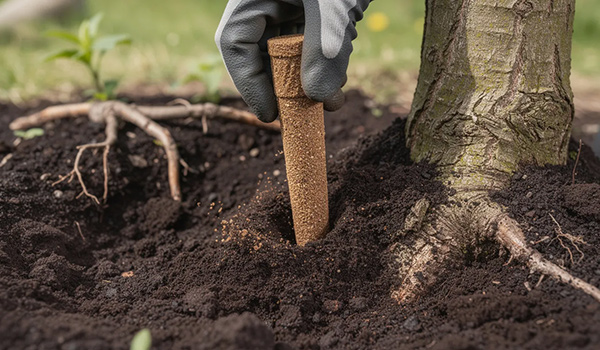
- Insert spikes along or just beyond the tree’s drip line (the outer edge of the canopy where rain drips off leaves)
- This targets the zone where 80–90% of feeder roots concentrate, not near the trunk, where roots primarily anchor
- Space spikes evenly around the tree in a ring pattern to encourage balanced root development
- Avoid clustering spikes in one area, which concentrates nutrients unevenly
Soil conditions for success:
- Water the area the day before if the soil is dry; moist soil allows for easy insertion and activates nutrient release sooner
- Avoid installing in frozen, waterlogged, or extremely hard-baked ground—these conditions reduce effectiveness and may break spikes
- Soft, loamy, moist soil with moderate pH (around 6.0–7.0) provides optimal conditions for dissolution and microbial activity
Recommended frequency:
- For most established trees, once in early spring and once in mid-fall provides adequate nutrition
- Avoid more than 2 applications per year unless a soil test and product label specifically justify additional feeding
- Evergreen trees and fruit trees with special needs may benefit from formulas designed for their nutrient requirements
Step-by-Step Application Checklist
- Measure the tree’s trunk diameter at about 4.5 feet (1.4 m) above ground to determine how many spikes to use
- Identify the drip line on the ground—use a garden hose or rope laid in a circle to mark the outer canopy edge if needed
- Pre-wet the soil if it is dry and compacted; this makes insertion easier and starts the release process
- Use a rubber mallet or cap provided with the spikes to insert each stake to the recommended depth (usually ground level or slightly below)
- Space spikes evenly around the tree, maintaining distance from the trunk flare
- Aim for placement 2–3 feet from the trunk to encourage outward root spread
- Water the area lightly after installation to begin nutrient release
- For trees in lawn areas, time installation just before a normal irrigation cycle or expected rain to activate the spikes naturally
Putting tree spikes in correctly takes about 5 minutes per tree once you understand the process. The key is consistency: even spacing, proper depth, and attention to the season.
Special Cases: Evergreen vs. Deciduous Trees and Other Considerations
Different tree types and site conditions may slightly change your timing or product choice. Understanding these variations helps you get better results from every application.
Deciduous trees:
- Emphasize spring application just before bud break to support the flush of new foliage
- Apply in autumn after leaf drop to feed roots during their active phase and prepare nutrient stores
- Watch for visible symptoms of deficiency: small leaves, early fall color change, sparse canopy, or reduced green intensity
- Many deciduous trees in healthy soil need minimal fertilization—don’t assume feeding is always necessary
Evergreen trees (pines, spruces, cedars, hollies):
- Evergreens benefit from steady nutrition to maintain their year-round foliage
- Apply in early spring and again in mid-fall using spikes labeled for evergreens or acid-loving plants when appropriate
- Avoid high-nitrogen formulas that push soft growth vulnerable to winter damage
- Watch for yellowing needles or sparse interior foliage as signs of nutrient stress
Flowering shrubs and fruit trees:
- Excessive nitrogen promotes leaf growth at the expense of flowers or fruit set
- Choose balanced or slightly lower-nitrogen formulas for flowering shrubs and fruit trees
- Stick closely to label rates—more is not better when you want blooms and healthy fruit production
- Time spring applications to support bloom development, not just vegetative expansion
Soil and site factors:
| Soil Type | Consideration |
|---|---|
| Sandy soil | Leaches nutrients faster; slow-release spikes are especially useful here |
| Heavy clay | Needs improved drainage and organic matter before adding more fertilizer |
| Compacted soil | Aeration and compost matter more than fertilizer; spikes may not dissolve evenly |
| Alkaline soil (high pH) | May cause micronutrient lockout; test before adding more amendments |
The bigger picture:
Proper watering, mulching, and pruning usually have more impact on long-term tree health than fertilizer alone. Spikes are one tool in a broader care plan—not a substitute for good horticultural practices. Healthy trees with adequate water and protection from compaction often need little supplemental feeding.
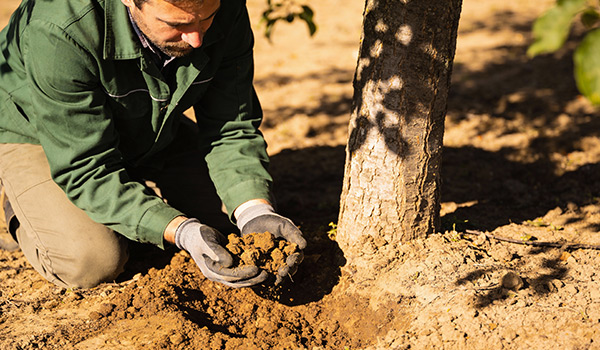
Start with a soil test if you’re unsure. Feed only when there’s evidence of deficiency. And remember: the goal is strong, balanced growth that supports healthy trees for years to come, not a short-term boost that creates long-term problems.
Key Takeaways
- Apply tree fertilizer spikes in early spring (March–April) and mid-fall (October–November) when roots are actively growing
- Place spikes along the drip line, not near the trunk, to target feeder roots
- Use one spike per 2 feet of trunk diameter as a general guideline
- Avoid summer applications that stress trees and winter applications that waste nutrients
- Consider spikes for convenience, but recognize their limitations for large trees or poor soils
- Always start with a soil test to confirm your trees actually need fertilization
Whether you’re maintaining a few shade trees in your yard or caring for evergreens along your property line, timing your fertilizer spike applications correctly transforms a simple product into an effective tool for tree health.
